Brain GameFoundation

Brain Health Center

The science, in language everyone can use

This is not a blog. It is a growing education resource built with researchers and clinicians — careful about what is known, honest about what isn't.

Core Topics

Start with the fundamentals

Six subjects that explain most of what athletes, service members, first responders, and families need to know before a decision has to be made.

Concussion

What happens when the brain is injured

Force transmitted to the head triggers metabolic and functional changes in the brain. Symptoms may involve memory, balance, vision, mood, and sleep — and often appear without any finding on a routine scan.
Repeated Head Impacts

Why cumulative exposure may matter

Most head impacts in contact sport never produce noticeable symptoms. Researchers are studying how that exposure adds up across a career, and how much recovery time between impacts changes the picture.

Long-Term Brain Health

What researchers are still working to understand

Who is most vulnerable, how risk can be reduced without ending participation, and how injury might be detected earlier. Several of the most important questions remain genuinely open.

Recognition

Signs that deserve attention today

Confusion, headache, sensitivity to light or noise, nausea, unusual irritability, or 'just not feeling right' after a hit. When in doubt, the athlete comes out — and gets evaluated by a professional.

Return to Play

Why 'feeling fine' isn't the finish line

Return-to-play and return-to-learn are staged, supervised processes. Rushing them is where avoidable harm concentrates, particularly in younger athletes.

CTE in Context

Where CTE fits — and where it doesn't

CTE is part of this conversation, but brain health is a far wider subject. We discuss it within the broader framework of concussion, TBI, repeated impacts, research, and advocacy rather than leading with it.

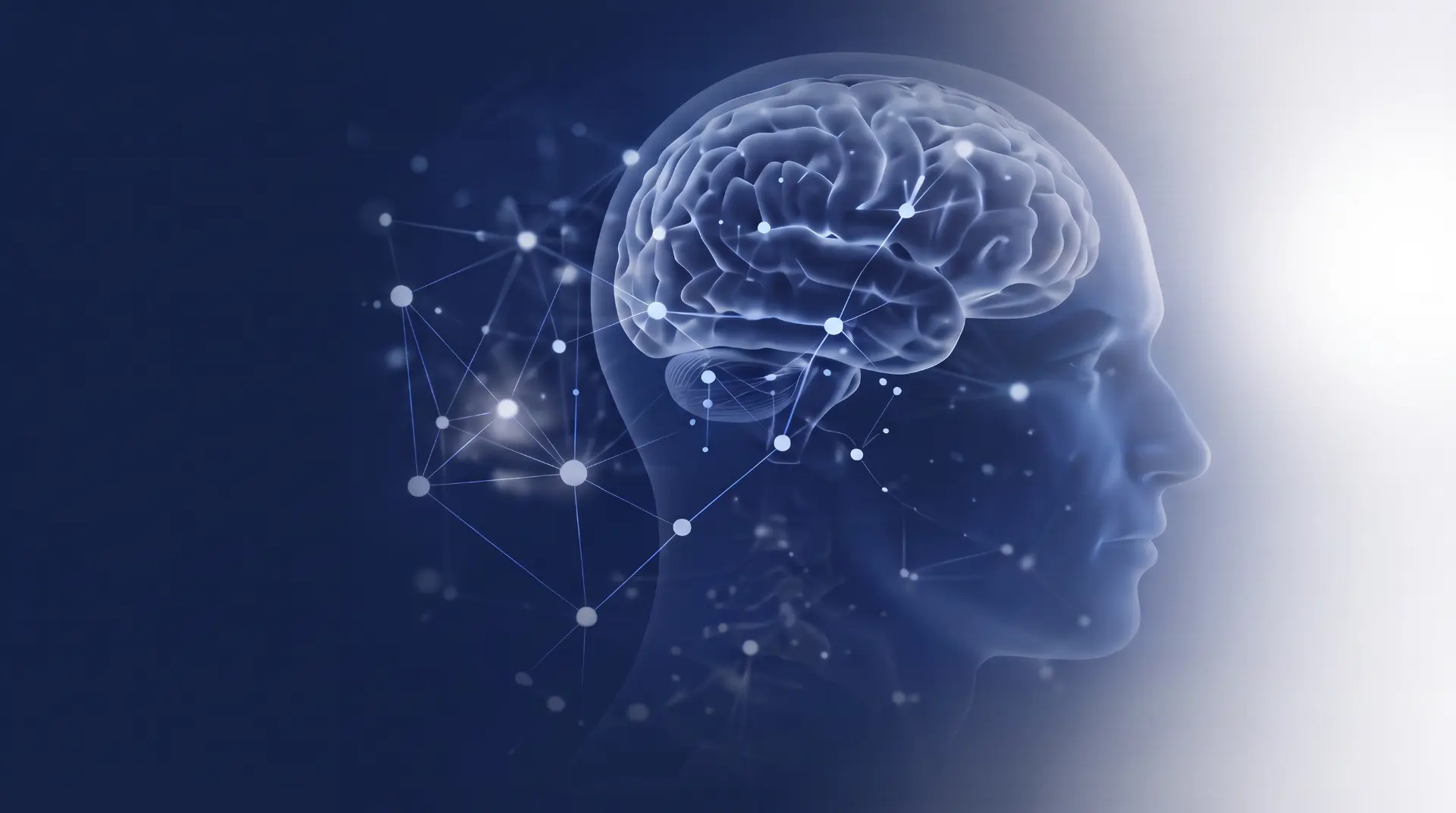
The human brain visualized as a luminous neural network

Built for real decisions

Resources by who you are

For Athletes

Understand your exposure, learn what to report, and know what a real recovery process looks like.

For Parents

Questions to ask coaches and clinicians, warning signs to watch for, and how to support return-to-learn.

For Coaches

Practical protocols, culture change that doesn't cost competitiveness, and how to talk to a worried family.

Important

This is education, not medical advice

Everything in the Brain Health Center is intended to help you ask better questions and make more informed decisions. It does not diagnose, treat, or replace care from a qualified healthcare professional. If you suspect a concussion, remove the athlete from play and seek medical evaluation.